How Sleep Affects Testosterone and Male Performance
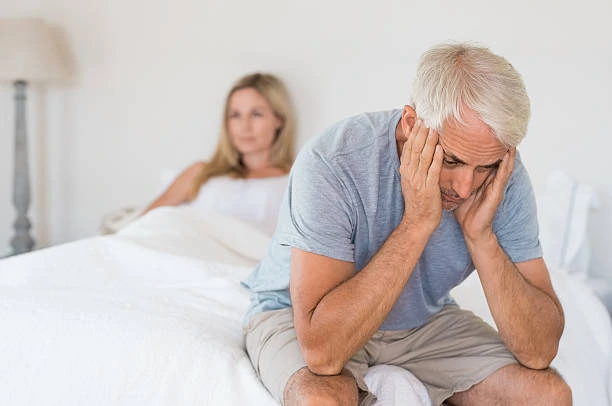
Quick summary: Sleep is one of the most overlooked levers in male vitality. Short-term sleep restriction has been shown to measurably lower testosterone in healthy men within about a week, and chronic poor sleep compounds the effect on mood, stress hormones, and libido. If performance or energy has dipped and nothing else has changed, sleep is one of the first things worth actually looking at.
The Sleep-Testosterone Link, in Plain Terms
Most of a man's daily testosterone release happens during sleep, concentrated in the deep and REM stages later in a sleep cycle. Cut sleep short and you cut into the window where that release happens. This isn't a fringe theory — a frequently cited study out of the University of Chicago found that healthy young men restricted to 5 hours of sleep a night for one week saw daytime testosterone levels drop by 10 to 15%, comparable to the decline normally seen with a decade of aging.
Why One Bad Night Isn't the Real Problem
An occasional short night of sleep isn't going to meaningfully change your hormone profile. The issue is chronic sleep restriction — consistently getting 5 or 6 hours instead of 7 to 9, night after night, for weeks or months. That's the pattern connected to measurable drops in testosterone, and it's also the pattern most men underestimate, since it doesn't feel like an acute problem the way one rough night does.
Cortisol Makes It Worse
Poor sleep and chronic stress hit the same hormonal system from two directions. Sleep restriction raises cortisol, and elevated cortisol is itself associated with suppressed testosterone. Add in the mood, focus, and motivation effects of being consistently under-slept, and you get a compounding effect on libido and performance that's bigger than any single factor on its own — sleep, stress, and hormone levels all move together rather than independently.
This is general educational information, not medical advice. See our full disclaimer, and always consult a healthcare professional about your specific situation, especially if fatigue or low libido is persistent or severe.
Signs Sleep Might Be the Missing Piece
- You're consistently getting less than 7 hours of sleep on most nights.
- Energy and libido dips track closely with your worst sleep weeks.
- You feel "wired but tired" — a common sign of a stressed, sleep-deprived nervous system.
- Nothing else in your routine (diet, activity level, relationship) has meaningfully changed, but performance and drive have.
What Actually Improves Sleep Quality
A few of the most consistently supported habits for sleep quality:
- A consistent sleep and wake time — even on weekends — helps regulate the hormonal rhythms tied to testosterone release.
- Limiting screens and light exposure before bed, which affects the sleep hormone melatonin and sleep onset.
- Reducing alcohol close to bedtime — alcohol can help you fall asleep faster but fragments deep and REM sleep later in the night, which is exactly when testosterone release is concentrated.
- Managing daytime stress, since elevated cortisol makes both falling asleep and staying asleep harder — the same adaptogens (like Ashwagandha) studied for stress support are also linked to better sleep quality in some research.
See how GiantMax's adaptogen-backed formula supports the stress side of the equation:
🌿 See GiantMax's IngredientsWhen to Talk to a Doctor Instead
If poor sleep is persistent despite reasonable changes to routine, or if you suspect a sleep disorder like sleep apnea (loud snoring, gasping during sleep, daytime exhaustion despite adequate time in bed), that's worth a medical evaluation rather than a lifestyle fix alone. Sleep apnea in particular is independently linked to low testosterone and is a medical condition, not just a bad habit.
Common Questions
How many hours of sleep do men need for healthy testosterone?
Most research on sleep and testosterone uses 7 to 9 hours as the healthy adult benchmark. Studies restricting sleep to 5 hours or less over just one week have shown measurable drops in daytime testosterone levels in young, healthy men.
Can bad sleep alone lower libido?
Yes. Sleep restriction affects testosterone, mood, and energy simultaneously, and all three influence libido. It's rarely just one mechanism in isolation.
Does napping make up for lost nighttime sleep?
Naps can reduce sleepiness and help alertness, but they don't fully replicate the hormonal benefits of the deep and REM sleep stages that occur during a full, uninterrupted night of sleep.
Bottom Line
Sleep is one of the simplest, most evidence-backed levers for supporting testosterone and performance — and one of the easiest to overlook, since it doesn't feel like a "supplement" or a "fix." Combined with stress management and a formula built around adaptogens and vitality-supporting botanicals, prioritizing sleep is one of the highest-leverage changes most men can make without spending anything extra.
Support your body's stress and vitality alongside better sleep:
🛒 Visit the Official GiantMax Site