The Mind–Penis Connection: How Stress and Mental State Affect Male Performance
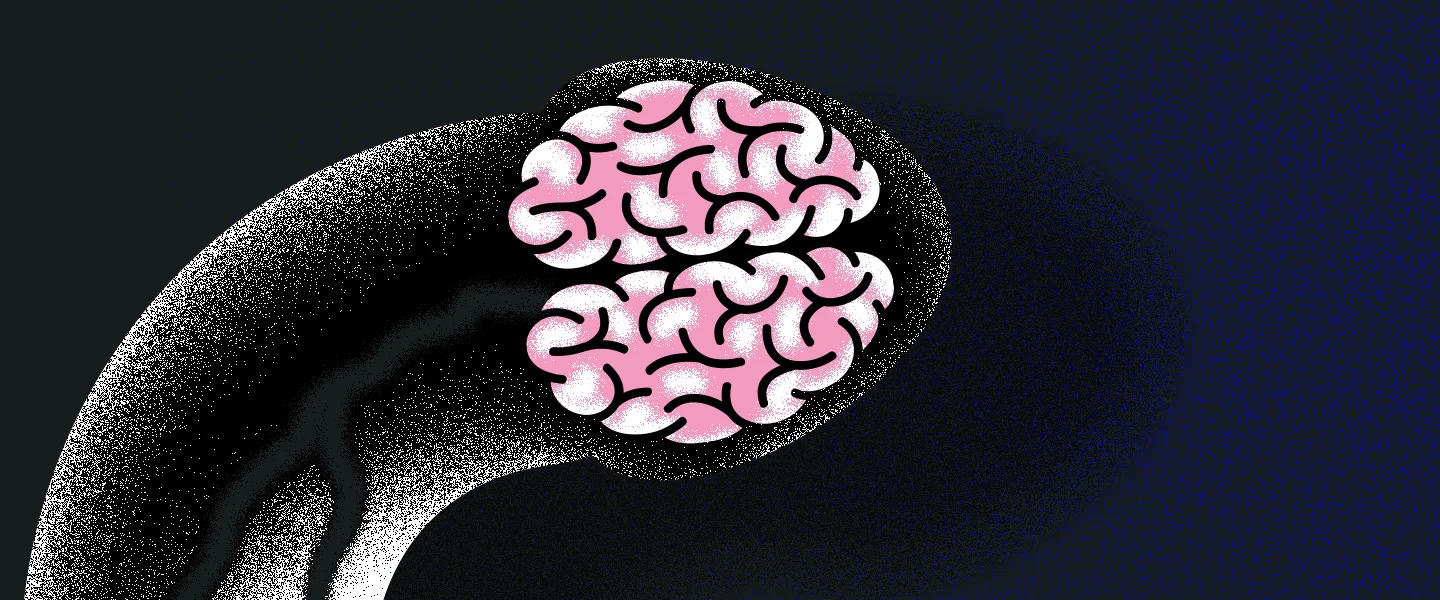
Quick summary: An erection is triggered by the nervous system before it's a matter of blood flow — which means stress, anxiety, and mental state have a direct, measurable effect on performance. This isn't "all in your head" in a dismissive sense; it's real physiology. That said, persistent or sudden difficulty should still be checked by a doctor, since it can also have physical causes unrelated to stress.
Why Erections Start in the Brain, Not the Body
An erection isn't purely a local, mechanical event — it's initiated by the nervous system. Sexual arousal signals travel from the brain down the spinal cord, triggering the parasympathetic ("rest and digest") response that relaxes blood vessels and allows blood flow into erectile tissue. The catch: the sympathetic ("fight or flight") system does the opposite. When your body is in a stressed or anxious state, it prioritizes that response over the parasympathetic one — which can make arousal physically harder to sustain, regardless of desire.
Performance Anxiety and the "Spectatoring" Effect
Sex researchers use the term spectatoring to describe a common pattern: instead of being present in the moment, a man starts mentally monitoring and evaluating his own performance — worrying whether he'll maintain an erection, how he's doing, what his partner is thinking. That self-monitoring itself pulls the nervous system into an anxious, evaluative state, which can directly interfere with the physical response it's trying to protect. It's a self-fulfilling loop: worry about performance can itself cause the performance issue you're worried about.
One Bad Night Can Start a Cycle
A single instance of stress-related difficulty — after a few drinks, a bad day, an argument, poor sleep — is common and not usually a sign of anything wrong. The issue is what happens next: if that experience creates anxiety about the next encounter, the anticipatory worry itself can become the bigger obstacle, independent of whatever caused the first episode. Recognizing this cycle for what it is — a mental loop, not necessarily a physical problem — is often the first step in breaking it.
Cortisol, Chronic Stress, and Libido
Short-term stress and long-term, chronic stress affect the body differently. Sustained stress keeps cortisol elevated, and elevated cortisol is associated with lower testosterone and reduced libido — the body deprioritizing reproductive and sexual function in favor of managing a perceived ongoing threat. This is one reason libido and performance concerns often show up alongside high-stress periods at work, financial pressure, or major life changes, even when nothing else has physically changed.
This is general educational information, not medical advice. See our full disclaimer, and always consult a healthcare professional about your specific situation.
Sleep, Mood, and Confidence Feed Each Other
Poor sleep raises cortisol and lowers testosterone on its own, independent of psychological stress — and it also worsens mood and focus, which compounds the anxiety side of the equation. Low mood and low confidence tend to lower interest and follow-through, which can then reinforce the belief that "something is wrong," adding another layer of worry. None of these factors act in isolation; they tend to move together.
When It's Not "Just Mental"
It's important to be direct about this: not all erectile difficulty is psychological, and treating it as purely a mindset issue can mean missing something that needs medical attention. Erectile dysfunction that is sudden in onset, persistent over weeks or months, or happens in every situation (not just with a partner, but also with masturbation or during sleep) is a signal worth discussing with a doctor. ED can sometimes be an early indicator of cardiovascular disease, diabetes, low testosterone, or other conditions that have nothing to do with stress — catching those early matters more than working around the symptom.
What Actually Helps the Mind-Body Connection
A few approaches are consistently supported for the psychological side of performance and libido:
- Naming the cycle out loud — recognizing spectatoring or anticipatory anxiety for what it is often reduces its power, since much of its effect comes from the extra layer of self-judgment.
- Open communication with a partner — performance pressure is often worse in silence; taking the pressure off the moment tends to help more than trying to push through it.
- Basic stress and sleep hygiene — consistent sleep, regular movement, and general stress management have measurable effects on cortisol and mood, which in turn affect libido and performance.
- Adaptogenic support — ingredients like Ashwagandha, found in GiantMax, are studied for their role in helping the body manage everyday stress and support healthy cortisol levels, which is one reason it's included in vitality-focused formulas rather than being purely a libido ingredient on its own.
- Professional support — a doctor or therapist (including those specializing in sexual health) can help distinguish psychological from physical causes and is the right next step if this is a recurring, unwanted pattern.
See the full ingredient panel, including the adaptogens formulated for stress support:
🌿 See GiantMax's IngredientsCommon Questions
Can stress alone cause erectile dysfunction?
Yes — psychological factors like stress, anxiety, and depression are well-documented causes of erectile difficulty, especially in younger men, and often occur alongside or independent of any physical cause.
How do I know if my performance issues are mental or physical?
One classic sign it's primarily psychological is if you still get firm erections during sleep or masturbation but struggle in partnered situations. That said, this isn't a diagnostic rule, and a doctor is the right person to sort out the difference, especially if the issue is new, sudden, or persistent.
When should erectile difficulty be checked by a doctor?
If it's persistent, sudden in onset, or happening across all situations (not just with a partner), it's worth a medical evaluation, since erectile dysfunction can sometimes be an early signal of cardiovascular or other health issues that are unrelated to stress.
Bottom Line
The connection between mind and performance is real physiology, not an excuse or a euphemism — stress and anxiety measurably affect the same nervous system pathways that trigger arousal. Addressing the mental side (through communication, stress management, and sometimes professional support) is a legitimate part of supporting performance and vitality. It's not a substitute for medical care when something physical is going on — but for a large share of men, the mental side is where meaningful, real change starts.
Support your body's stress response with GiantMax's adaptogen-backed formula:
🛒 Visit the Official GiantMax Site